Comprehensive Guide to Asbestos Inspection: What to Expect and How to Create a Report
Asbestos inspections play a critical role in ensuring the complete safety and health of individuals in both residential and commercial properties. Whether you are renovating an older building, purchasing a new property, or simply ensuring compliance with safety regulations, an asbestos inspection conducted by a licensed asbestos assessor is an essential step. This guide will talk about what you can expect during an asbestos inspection and how to create a comprehensive report afterwards.
What Is an Asbestos Inspection?
An asbestos inspection involves a detailed survey of a property to identify and confirm the presence of asbestos-containing materials (ACMs). Licensed asbestos assessors conduct these inspections to determine the types of asbestos present and assess potential risks. The findings help property owners and managers make informed decisions about handling hazardous materials.
The Role of a Licensed Asbestos Assessor
A licensed asbestos assessor is a professional trained to inspect properties for asbestos and other hazardous materials. Their expertise ensures that inspections are thorough, compliant with safety regulations, and focused on minimizing health risks. These assessors use specialized tools and protective equipment to carry out inspections safely and effectively.
What to Expect During an Asbestos Inspection
Knowing what to anticipate during an asbestos inspection helps property owners prepare for the process and understand its significance. From the initial consultation to the final recommendations, each step plays a vital role in ensuring a property's safety and compliance.
1. Initial Consultation
The process begins with a consultation, during which the asbestos assessor gathers information about the property's age, structure, and history. This step helps identify areas likely to contain asbestos, especially in older buildings or those undergoing renovations.
2. Property Survey
The asbestos assessor conducts a thorough survey of the property, which includes:
- Visual Inspection: Examining walls, ceilings, flooring, and other materials for signs of asbestos.
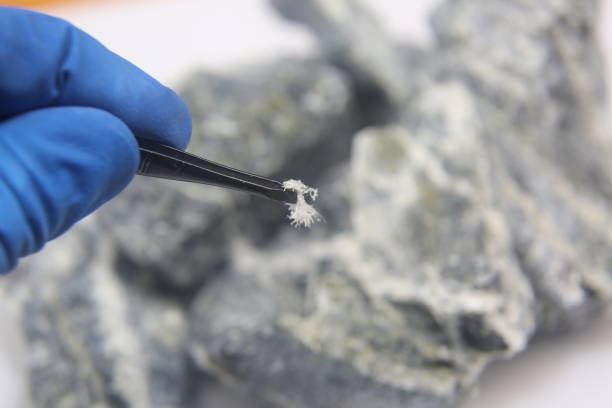
- Material Sampling: Collecting small samples of suspected materials for testing.
- Identifying Types of Asbestos: Determining if the materials contain chrysotile, amosite, crocidolite, or other types of asbestos.
3. Testing and Analysis
Samples collected during asbestos inspection are then sent to a laboratory for detailed analysis. The testing process identifies the presence and concentration of asbestos fibres, ensuring accurate results.
4. Risk Assessment
Once the testing is complete, the assessor evaluates the level of risk posed by the asbestos-containing materials. Factors such as material condition, location, and potential disturbance are considered during this assessment.
5. Safety Recommendations
The inspector provides recommendations to manage or remove asbestos safely. These suggestions may include:
- Sealing or encapsulating the material.
- Removal by licensed professionals.
- Regular monitoring to ensure the asbestos remains undisturbed.
6. Protective Measures During Inspections
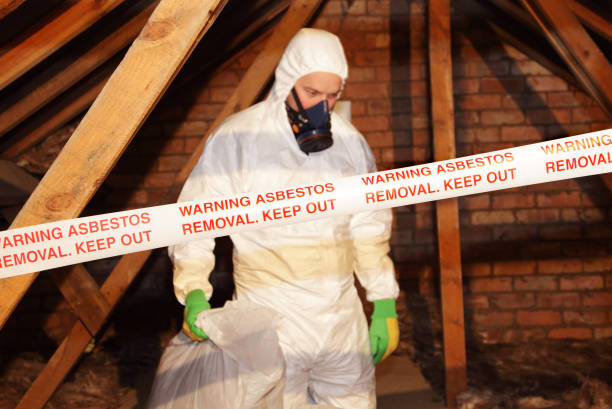
Inspectors wear protective equipment, such as masks and suits, to prevent exposure to asbestos fibres. To minimize health risks, property owners are advised to vacate areas being inspected.
Preparing a Comprehensive Asbestos Inspection Report
After completing the inspection, the asbestos assessor compiles a detailed report. This document serves as an essential resource for property owners, outlining the findings and recommended actions.
1. Executive Summary
The report begins with an executive summary, providing a concise overview of the inspection's findings and key recommendations.
2. Property Details
This section includes specific details about the property, such as:
- Address and description of the property.
- Purpose of the inspection (e.g., pre-renovation, purchase, or routine check).
- Inspection date and assessor details.
3. Survey Findings
The survey findings provide a detailed account of the inspection, including:
- Areas inspected and materials sampled.
- Types of asbestos identified.
- Condition of the hazardous materials.
4. Laboratory Results
The report includes laboratory test results, indicating whether asbestos was detected and specifying the type and concentration of fibres.
5. Risk Assessment
The risk assessment section evaluates the potential health risks posed by the identified asbestos-containing materials. Based on the likelihood of disturbance and fiber release, it categorizes risks as low, medium, or high.
6. Recommendations
Clear and actionable recommendations are provided to address the findings. These may include:
- Immediate actions to minimize risks.
- Long-term monitoring and management strategies.
- Professional removal of hazardous materials if necessary.
7. Photographic Evidence
The report often includes photographs of the inspected areas and identified asbestos materials to support the findings.
8. Compliance and Certification
Finally, the report confirms compliance with safety regulations and includes certification from the licensed asbestos assessor.
Why Asbestos Inspections Are Crucial
Regular asbestos inspections are essential for safeguarding health and safety in any property. They help identify hazardous materials, ensure compliance with regulations, and create a safer environment for occupants and workers.
Ensuring Health and Safety
If disturbed, asbestos is a hazardous material that poses significant health risks, including lung diseases and mesothelioma. Regular inspections help protect property occupants and workers from exposure.
Compliance with Regulations
In many regions, including Australia, strict regulations govern asbestos management. Licensed inspections ensure compliance, reducing legal and financial liabilities for property owners.
Safe Renovations
An asbestos inspection identifies potential risks before renovating, allowing contractors to plan safe removal or encapsulation procedures. This step prevents accidental disturbance of asbestos materials during construction.
Protecting Property Value
Ensuring a property is free from hazardous materials like asbestos can maintain or even increase its value. Buyers and tenants are more likely to invest in properties that prioritize safety.
Best Practices for Asbestos Inspections
Understanding and adhering to best practices for asbestos inspections is crucial for ensuring safety and compliance. By following these guidelines, property owners and licensed assessors can effectively identify, manage, and mitigate risks associated with hazardous materials like asbestos.
Use Licensed Professionals
Always hire licensed asbestos assessors for inspections and testing. Their training and expertise ensure accurate results and compliance with safety standards.
Conduct Regular Inspections
Regular inspections are vital for older buildings or properties with known asbestos materials to monitor the condition of hazardous materials.
Follow Safety Guidelines
During inspections, ensure that all involved parties follow safety guidelines, including wearing protective equipment and minimizing material disturbance.
Document Findings Thoroughly
A comprehensive report is essential for making informed decisions and ensuring transparency with stakeholders.
Address Identified Risks Promptly
Delaying action on identified asbestos risks can lead to further damage or health hazards. Immediate steps should be taken to manage or remove hazardous materials.
Conclusion
An asbestos inspection is a critical process that safeguards the health and safety of property occupants while ensuring compliance with safety regulations. By hiring a licensed asbestos assessor, property owners can identify and manage hazardous materials effectively. Whether you're inspecting a commercial building or a residential property, understanding the process and creating a detailed report are key to mitigating risks and protecting lives.
Regular asbestos inspections and proactive management not only ensure safety but also provide peace of mind for property owners and occupants. Make safety a priority by scheduling an inspection today and taking the first step toward a healthier environment.